
RFID technology is used in applications ranging from animal identification and access control to warehouse inventory, retail tracking and industrial asset management.
However, not all RFID systems operate in the same way. One of the first decisions when selecting an RFID solution is choosing the appropriate operating frequency: Low Frequency (LF), High Frequency (HF) or Ultra-High Frequency (UHF).
Each frequency band has different technical characteristics. These differences affect how tags communicate with readers, how far they can be read, how multiple tags are identified and which applications they are best suited for.
For buyers, choosing the wrong frequency can create problems that are difficult to correct later. A tag may be technically functional but unsuitable for the actual reading process. A reader may not support the required frequency. A system designed for individual identification may also perform poorly when it needs to identify many items quickly.
This guide compares LF, HF and UHF RFID from a practical engineering and purchasing perspective, helping you identify which technology best matches your application.
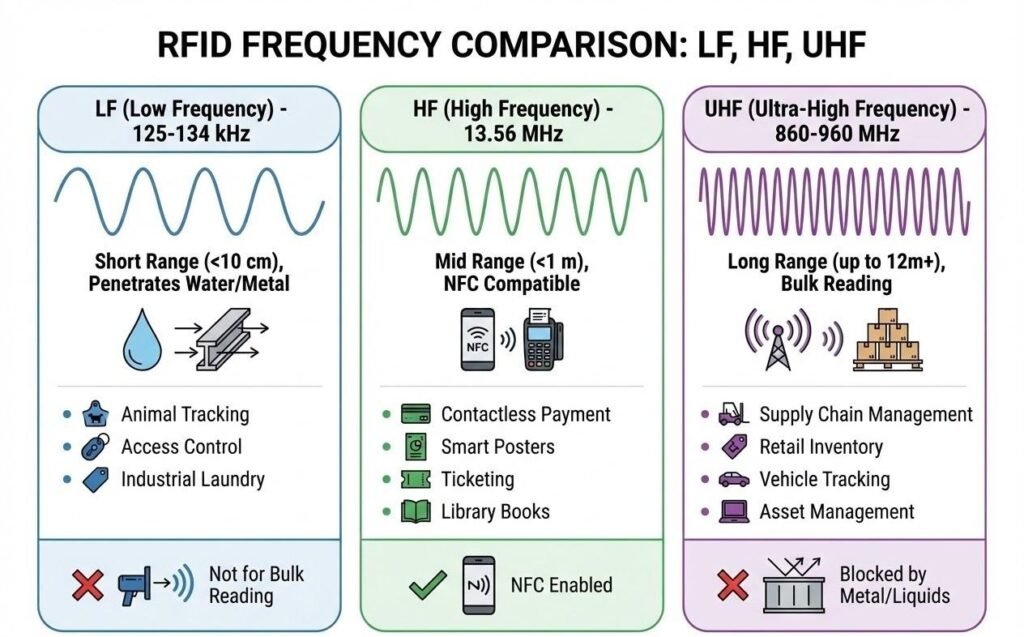
1. Understanding the Three Main RFID Frequency Bands
RFID systems use radio waves to transfer information between tags and readers. The operating frequency is one of the main factors that determines how this communication takes place.
The three commonly discussed RFID frequency categories are:
LF RFID — Low Frequency
125–134.2 kHz
Common applications include animal identification and certain access-control systems.
HF RFID — High Frequency
13.56 MHz
Common applications include smart cards, ticketing, libraries and NFC interactions.
UHF RFID — Ultra-High Frequency
Approximately 860–930 MHz
Common applications include warehouse inventory, retail, logistics and industrial asset tracking.
These ranges describe commonly used RFID technologies, not every possible RFID frequency. The exact operating frequency and permitted settings depend on the applicable standards and regional regulations. GS1 GO Customer Service Portal+2
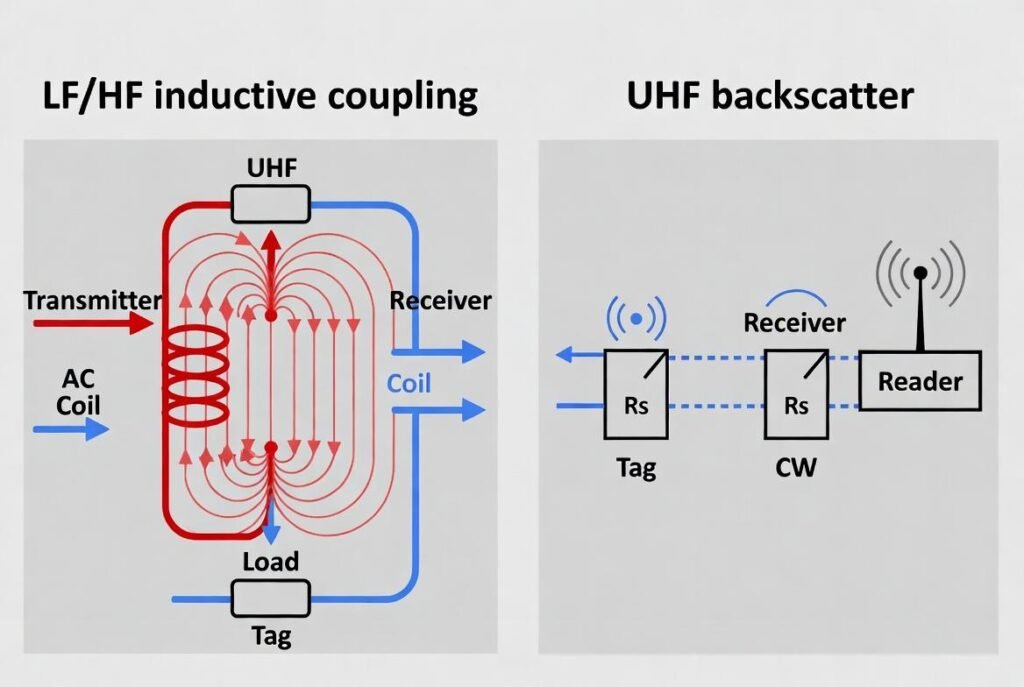
An important distinction is that LF and HF systems commonly use inductive coupling, while passive UHF systems generally use electromagnetic backscatter for communication.
This difference helps explain why the three frequency bands behave differently in practical applications.
2. LF RFID: Low Frequency Identification
LF RFID typically operates at 125 kHz or 134.2 kHz.
It is one of the established RFID technologies and is commonly used where relatively short-range identification is sufficient.
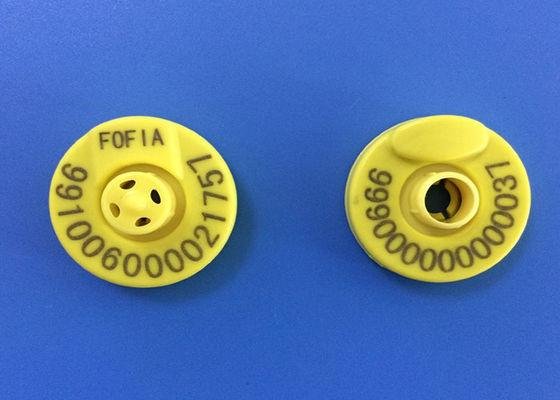
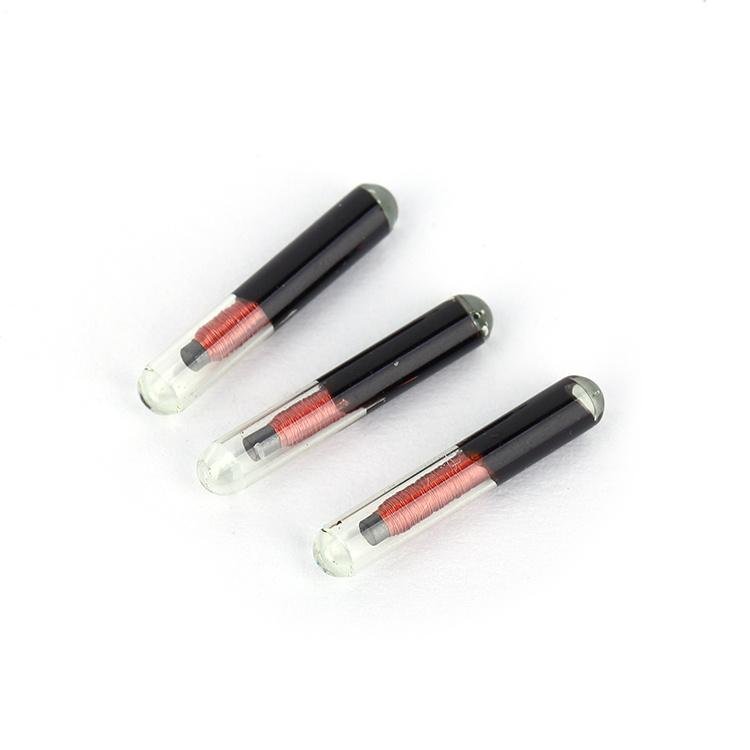
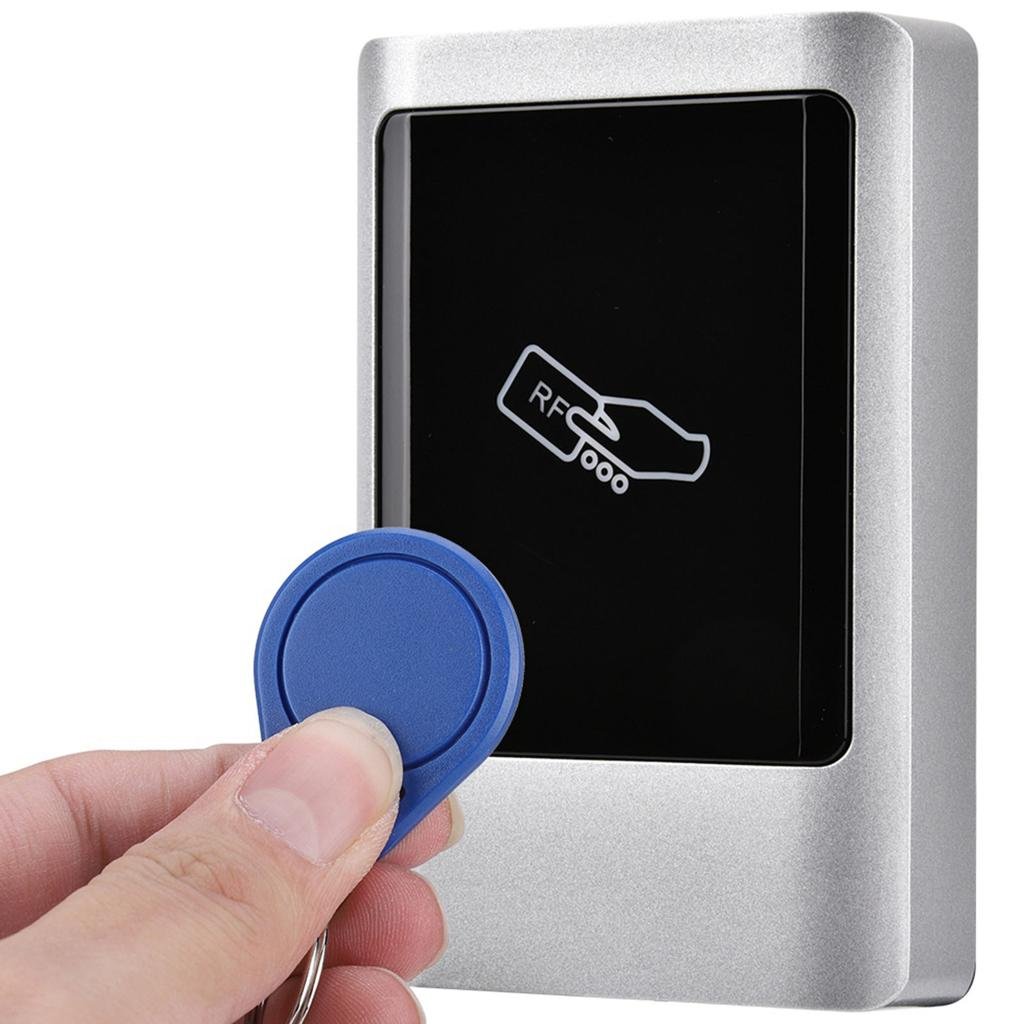
Implantable Animal Microchip 134.2kHz RFID Glass Tag – RFID Glass Tag and 134.2kHz RFID Glass Tag
How LF RFID works
Most passive LF RFID systems use inductive coupling between the reader antenna and the tag.
The reader generates a magnetic field. When an LF tag enters this field, energy is transferred to the tag, allowing it to communicate its stored identification information.
Because the communication depends on magnetic coupling, the reading zone is generally relatively short and localized.
Advantages of LF RFID
1. Suitable for close-range identification
LF RFID is useful when the reader and tag are expected to interact within a relatively limited distance.
2. Established animal identification applications
LF technology is widely associated with livestock and pet identification. Standards such as ISO 11784 and ISO 11785 are relevant to animal identification systems. Technical concept+1
3. Relatively localized reading area
For applications where controlled, close-range identification is required, a shorter reading zone can be an advantage.
Limitations of LF RFID
LF systems are generally not the first choice for applications requiring long-range identification or rapid bulk reading of large numbers of items.
Their tag and reader designs also differ from those used in HF and UHF systems. Buyers should not assume that LF products can be used with HF or UHF readers.
Typical LF RFID applications
- Livestock and animal identification.
- Pet identification.
- Certain industrial identification systems.
- Selected access-control applications.
When should you consider LF RFID?
Choose LF when the application requires close-range identification, has an established LF infrastructure or follows an animal-identification standard that specifies LF technology.
3. HF RFID: High Frequency Identification
HF RFID typically operates at 13.56 MHz.
It is widely used in contactless identification, smart cards, ticketing and applications where users interact directly with tagged objects.
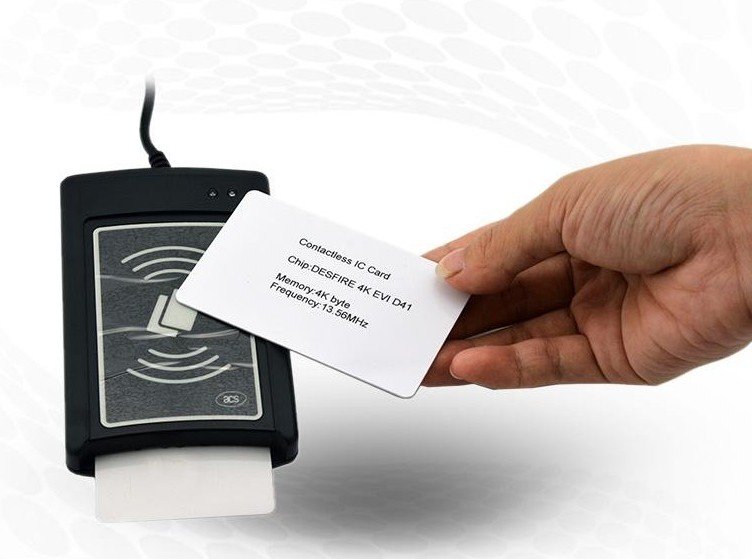
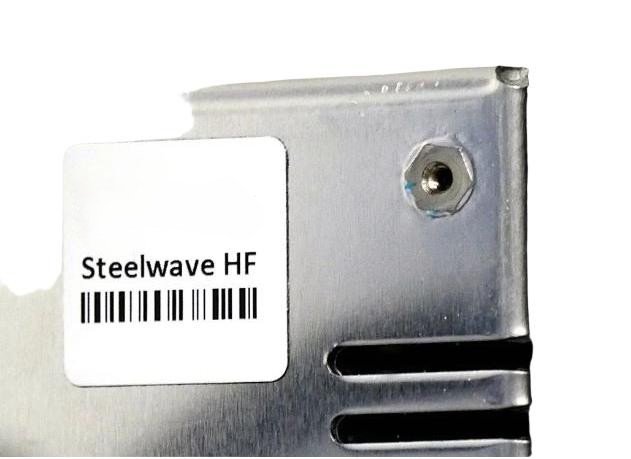
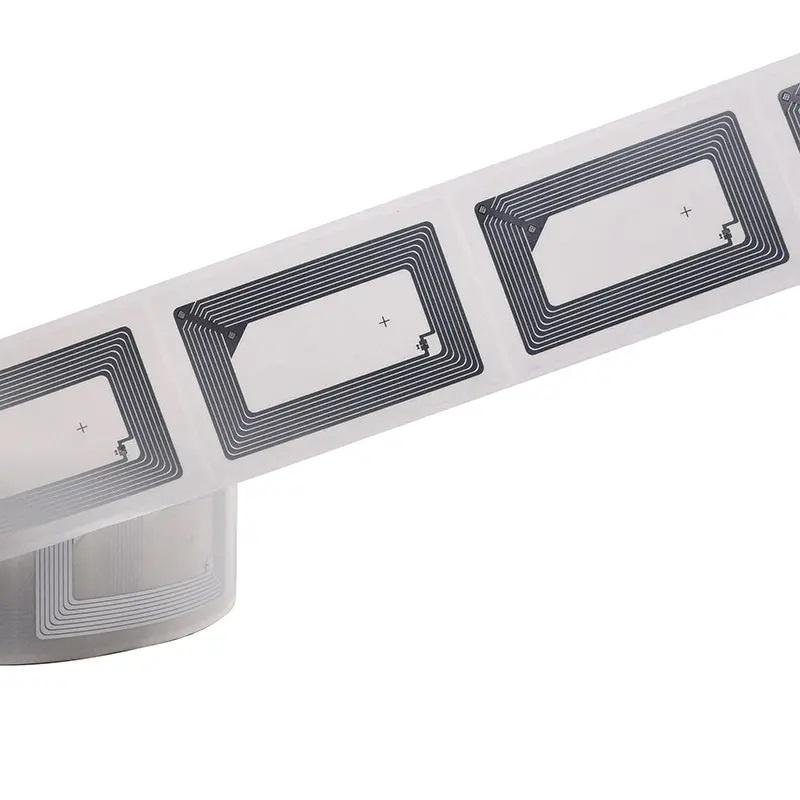
How HF RFID works
HF RFID commonly uses inductive coupling between the reader and the tag.
The reader creates an alternating magnetic field. The tag antenna receives energy from this field and communicates with the reader through changes in its electrical load.
Many HF applications are designed for close-range or controlled reading. The actual operating distance depends on the tag, reader, antenna and application design.
Advantages of HF RFID
1. Broad support for contactless applications
HF RFID is used in transport cards, access credentials, library systems and other contactless identification applications.
2. Support for established standards
Different HF applications use different standards. Two important examples are:
- ISO/IEC 14443: commonly associated with proximity cards and contactless credentials.
- ISO/IEC 15693: used in vicinity-card and item-identification applications.
These standards should not be treated as interchangeable. The tag and reader must support the appropriate communication protocol.
3. Suitable for controlled user interaction
HF is useful when a person deliberately presents a card, document or tagged item to a reader.
Limitations of HF RFID
HF RFID is generally less suitable than passive UHF for applications that require long-range identification or rapid reading of large populations of tags.
The reading distance also varies significantly between HF product types and system configurations. A contactless card application and an industrial HF item-tracking application should not be assumed to have identical performance.
Typical HF RFID applications
- Contactless access cards.
- Public transport ticketing.
- Library book management.
- Contactless identification documents.
- Product authentication and information access.
- NFC-enabled consumer interactions.
When should you consider HF RFID?
Choose HF when your application requires a controlled reading interaction, uses an established HF standard or benefits from compatibility with a particular contactless infrastructure.
4. UHF RFID: Ultra-High Frequency Identification
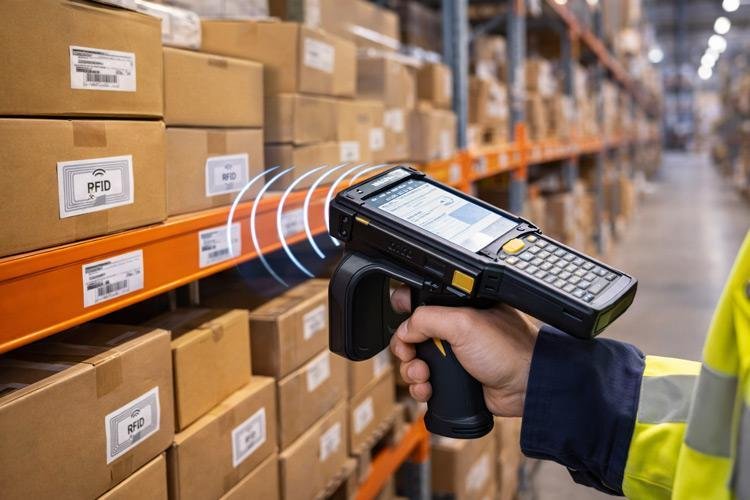
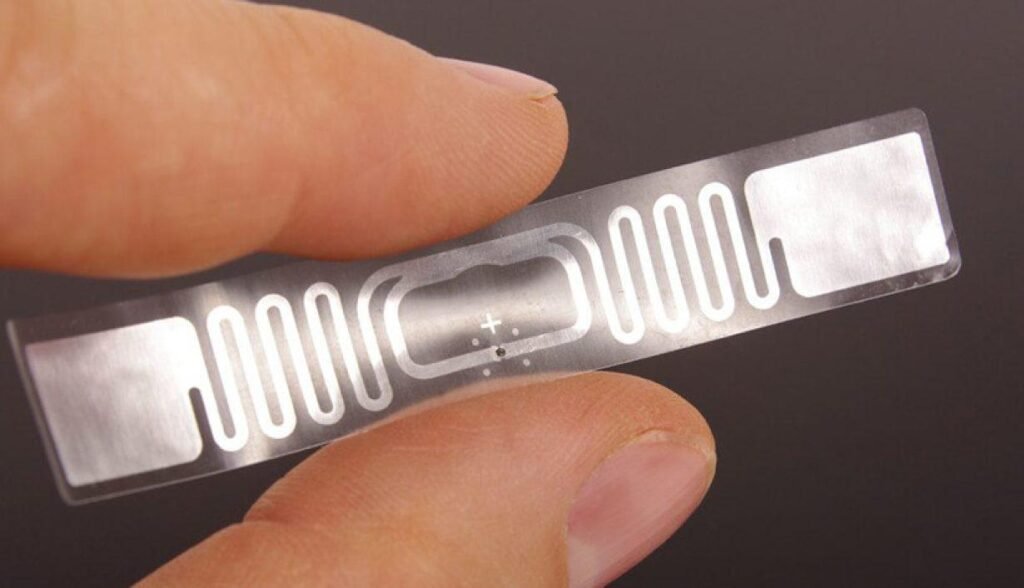
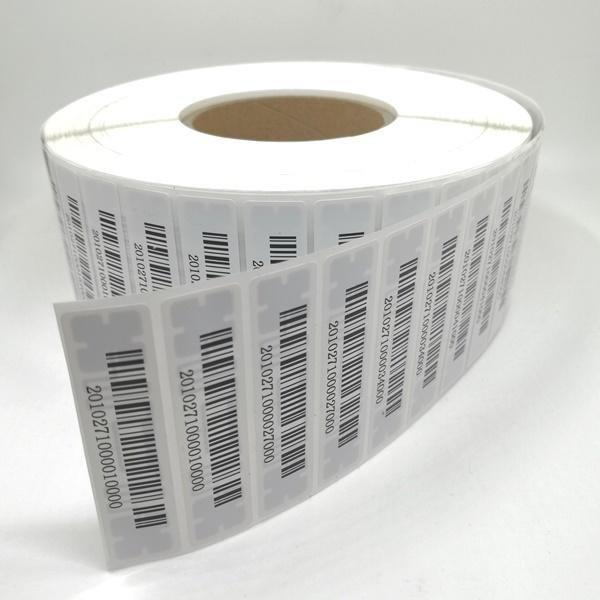
UHF RFID is widely used in modern inventory management, logistics, retail and industrial asset tracking.
Passive UHF RFID systems operating under the GS1 EPC Gen2 / ISO/IEC 18000-63 framework are also commonly known as RAIN RFID.
A Comprehensive Guide Of RFID Inlays: What Users Need To Know? – RFID Label
Étiquettes RFID UHF (Ultra High Frequency) Étiquettes RFID intelligentes | TIMCOD
6
How UHF RFID works
Passive UHF RFID uses a different communication mechanism from typical LF and HF systems.
The reader transmits an RF signal. The UHF tag antenna receives energy from this signal, activating the chip. The tag then communicates by modulating the signal it reflects back to the reader. This process is known as backscatter communication.
This operating principle allows passive UHF RFID systems to support longer-range identification and high-volume tag reading under suitable conditions.
Advantages of UHF RFID
1. Longer potential reading distance
UHF RFID can support reading over several meters in suitable applications. However, actual performance depends on the tag design, reader output, antenna configuration, operating region and surrounding environment.
A published maximum reading distance should never be treated as a guaranteed result for every installation.
2. Efficient identification of multiple tags
UHF RFID protocols support inventory procedures that allow readers to identify multiple tags within a reading zone.
This is particularly useful in warehouses, distribution centers, retail stores and production environments where many items need to be identified.
3. Flexible tag formats
UHF tags are available in many product forms, including:
- Paper or synthetic RFID labels.
- RFID inlays.
- Hang tags.
- Industrial hard tags.
- On-metal RFID tags.
- Laundry RFID tags.
- Customized tags for specific applications.
The tag structure and antenna design must still be selected according to the target object and operating environment.
4. Suitable for supply-chain identification
UHF RFID is widely used in applications involving item-level identification, inventory visibility and logistics processes. EPC-based identification also supports information exchange across supply-chain participants.
Limitations of UHF RFID
UHF RFID performance can be affected by the surrounding environment.
Important factors include:
- Metal surfaces.
- Liquids and high-moisture materials.
- Tag orientation.
- Antenna polarization.
- Reader antenna placement.
- Reflections and interference.
- Local radio-frequency restrictions.
Metal and liquid-rich environments require particular attention. A conventional UHF label may not perform as expected when directly attached to a metal object. Specialized tag structures may be necessary.
RAIN Alliance guidance also emphasizes that system design must account for environmental effects and local radio regulations. The RAIN Alliance+1
Typical UHF RFID applications
- Warehouse inventory management.
- Retail and apparel item-level tracking.
- Logistics and supply-chain management.
- Industrial asset tracking.
- Manufacturing and work-in-process identification.
- Library and document tracking.
- Industrial laundry and textile management.
When should you consider UHF RFID?
Choose UHF when the application requires longer reading distances, multiple-tag identification, faster inventory operations or integration with a RAIN RFID infrastructure.
5. UHF vs HF vs LF: A Practical Comparison
The following table summarizes the main differences from a buyer’s perspective.
| Comparison | LF RFID | HF RFID | UHF RFID |
|---|---|---|---|
| Typical frequency | 125–134.2 kHz | 13.56 MHz | Approx. 860–930 MHz |
| Communication principle | Inductive coupling | Inductive coupling | Backscatter |
| Typical reading range | Short | Short to moderate | Moderate to long |
| Multiple-tag reading | More limited in common applications | Protocol and system dependent | Designed to support bulk inventory |
| Common applications | Animal ID, selected access systems | Smart cards, ticketing, libraries | Inventory, logistics, asset tracking |
| Tag formats | Glass transponders, key fobs and specialized tags | Cards, labels, discs and inlays | Labels, inlays, hard tags and customized forms |
| Environmental considerations | Application and tag dependent | Application and tag dependent | Particularly sensitive to antenna detuning, orientation and RF environment |
| Reader compatibility | LF-specific | HF-specific | UHF-specific |
| Common standards | ISO 11784/11785 for animal ID; ISO/IEC 18000-2 | ISO/IEC 14443, 15693 and others | ISO/IEC 18000-63 / EPC Gen2 |
This is a general comparison. Actual capabilities vary by standard, tag design, reader configuration and application. The table does not represent guaranteed product performance.
Which frequency offers the longest reading distance?
In many passive RFID applications, UHF can provide a longer reading distance than conventional LF and HF systems.
However, frequency alone does not determine the reading distance.
A UHF tag designed for a small metal component, for example, may perform differently from a larger general-purpose UHF label. Similarly, reader power, antenna gain, tag orientation and installation conditions can substantially affect the result.
The correct comparison should be made using the actual tag and reader configuration under representative application conditions.
Which frequency is better for reading multiple tags?
UHF RFID is generally the stronger choice when a system needs to identify many tags within a reading zone.
This makes it particularly useful for inventory counting, warehouse receiving, shipping verification and retail stocktaking.
HF also supports multi-tag applications under suitable protocols and configurations, but the appropriate choice depends on the specific system requirements.
LF is more commonly associated with individual or controlled identification rather than high-volume item-level inventory.
Which frequency is less affected by metal and liquids?
There is no simple answer that applies to every tag.
The frequency band is one factor, but antenna design, tag construction, installation position and material properties also matter.
In particular, conventional passive UHF tags can experience significant performance changes when placed directly on metal or near water-rich materials. Specialized tag designs may be needed.
For any frequency, the best approach is to test the complete tag and reader system on the actual target object.
6. NFC and HF RFID: What Is the Difference?
NFC is often compared with LF, HF and UHF as though it were a separate RFID frequency band. This is not technically accurate.
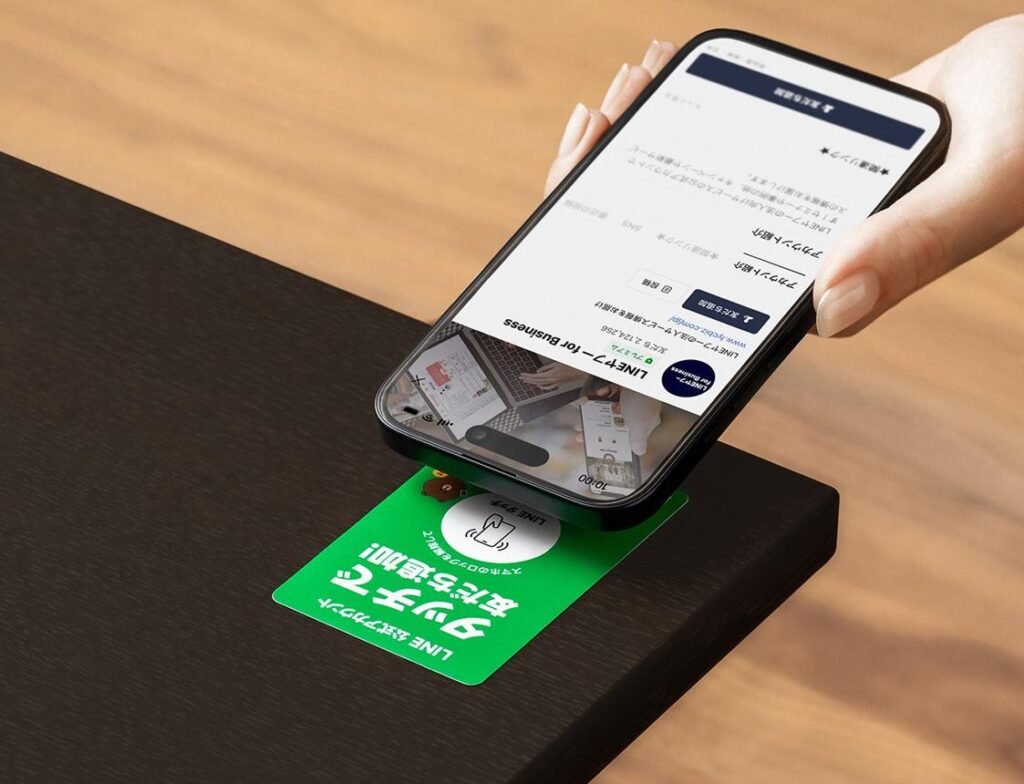
NFC is a technology based on HF RFID operating at 13.56 MHz.
It uses defined communication protocols that allow compatible devices to exchange information at close range. NFC also supports particular interaction modes, including communication between two active NFC devices.
HF RFID vs NFC
| Feature | General HF RFID | NFC |
|---|---|---|
| Operating frequency | 13.56 MHz | 13.56 MHz |
| Technology relationship | HF RFID technology | Based on HF RFID |
| Communication | Depends on the applicable HF standard | NFC-specific communication modes |
| Common devices | Dedicated HF readers and compatible tags | Smartphones, NFC readers and NFC tags |
| Typical interaction | Card, document or item identification | Tap-to-interact, data exchange and device interaction |
NFC is particularly useful for applications where a user interacts directly with a smartphone or NFC-enabled device.
Examples include:
- Product information access.
- Smart packaging.
- Digital business cards.
- Contactless interactions.
- Device pairing.
- Consumer engagement.
Is NFC suitable for warehouse inventory?
NFC can identify individual tagged objects at close range, but it is generally not the preferred technology for rapid warehouse inventory operations involving many items.
For those applications, passive UHF RFID is often more suitable because it supports longer-range identification and bulk reading.
The right decision depends on the workflow. If an employee needs to tap a phone against a product, NFC may be appropriate. If a warehouse needs to identify multiple tagged cartons from a defined reading zone, UHF is often the more practical option.
7. How to Choose the Right RFID Frequency
Selecting an RFID frequency should begin with the application, not with a product catalogue.
The following steps provide a practical selection process.
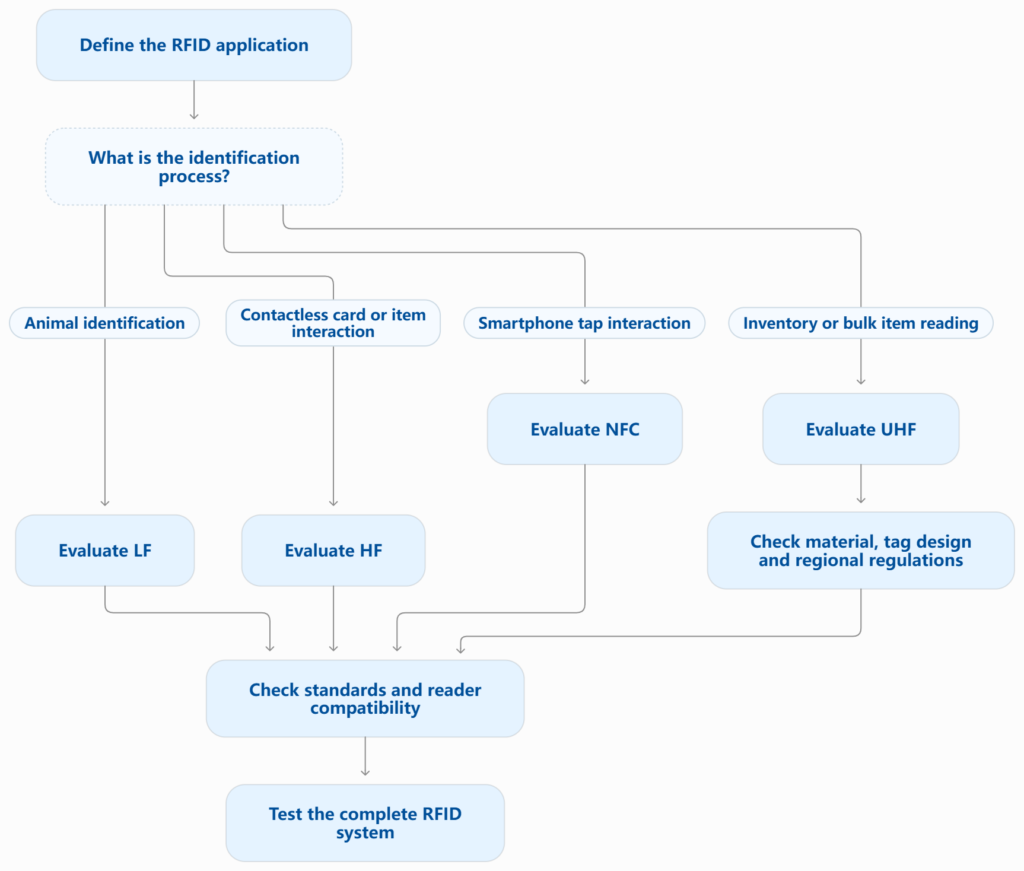
Step 1: Define the required reading distance
Ask how the tag will be identified:
- At contact or very close range?
- When a card or object is presented to a reader?
- From a handheld reader at a working distance?
- Automatically as items pass through a reading zone?
- From a fixed reader covering a larger area?
A controlled tap interaction may point toward HF or NFC. A longer-range inventory process may point toward UHF.
Step 2: Determine whether you need single-tag or bulk reading
Consider the number of tagged objects that must be identified during one operation.
| Application requirement | Technology to investigate |
|---|---|
| Individual animal identification | LF |
| Contactless card interaction | HF |
| Smartphone-based tag interaction | NFC / HF |
| Library item identification | HF or UHF, depending on system |
| Warehouse bulk inventory | UHF |
| Retail item-level inventory | UHF |
| Industrial asset identification | UHF, HF or LF, depending on conditions |
These are starting points, not mandatory rules. Actual system requirements and existing infrastructure may change the decision.
Step 3: Identify the tagged object’s material
The material and shape of the target object can affect tag performance.
Important questions include:
- Is the object made of metal?
- Does it contain water or liquid?
- Is it flat, curved or irregular?
- Is the tag attached to plastic, cardboard, glass or fabric?
- Will the tag be exposed to heat, moisture, chemicals or mechanical stress?
For UHF applications, metal surfaces often require specially designed on-metal tags rather than conventional labels.
For laundry and textile applications, the tag must be suitable for the relevant washing and handling processes.
Step 4: Check reader and infrastructure compatibility
The reader must support the selected frequency and applicable communication protocol.
For example:
- LF tags require compatible LF readers.
- HF tags require readers supporting the relevant HF standard.
- NFC tags require compatible NFC devices or readers.
- UHF tags require compatible UHF readers and regional settings.
A tag that operates at the correct frequency may still be incompatible with a reader if the communication protocol is different.
Step 5: Consider regional frequency regulations
This is especially important for UHF RFID.
UHF RFID does not use one identical frequency allocation worldwide. Different markets have different permitted frequency bands, power limits and channel requirements.
For example, the United States and Europe use different UHF operating allocations. Reader configuration must comply with the regulations of the deployment market. The RAIN Alliance+2
If products will be deployed across multiple countries, buyers should confirm that both the readers and tags are appropriate for the intended markets.
Step 6: Test the complete system
Do not select a frequency based only on a catalogue description or advertised reading distance.
A proper evaluation should include:
- The actual tag model.
- The intended reader and antenna.
- The target object’s material and shape.
- The expected tag orientation.
- The required reading distance.
- The number of tags in the reading zone.
- The real operating environment.
The purpose is to confirm that the complete RFID system can perform reliably under the conditions in which it will be used.
8. Common RFID Frequency Selection Mistakes
Mistake 1: Choosing UHF simply because it has a longer reading distance
Longer reading distance is not always an advantage.
In access-control or deliberate tap-to-identify applications, a controlled short reading zone may be more appropriate.
Mistake 2: Treating NFC and HF as completely different frequency bands
NFC operates at 13.56 MHz and is based on HF RFID technology. It should be understood as a specific technology within the broader HF landscape.
Mistake 3: Assuming all UHF tags work on metal
Conventional UHF labels may experience detuning and performance loss when attached directly to metal.
The tag construction must match the mounting surface.
Mistake 4: Comparing tags using reading distance alone
Reading distance is only one performance parameter.
Read consistency, orientation sensitivity, bulk-reading capability, installation conditions and compatibility with the reader may be equally important.
Mistake 5: Ignoring regional UHF regulations
A UHF reader configured for one region may not be suitable for another.
Buyers should specify the deployment country before selecting reader equipment and confirming tag performance.
Mistake 6: Selecting a tag before defining the application
The frequency is only the starting point. Tag size, antenna design, materials, mounting method and environmental requirements must also be considered.
9. What Information Should You Prepare Before Selecting an RFID Product?
If you are sourcing RFID tags or planning an RFID deployment, preparing the following information will help suppliers recommend more appropriate products.
| Information | Questions to clarify |
|---|---|
| Application | What are you identifying or tracking? |
| Operating frequency | Do you require LF, HF, NFC or UHF? |
| Target object | What material and shape is the tag attached to? |
| Reading distance | How far away should the reader identify the tag? |
| Reading method | Handheld, fixed reader, tap interaction or bulk reading? |
| Tag format | Label, card, hard tag, inlay or customized structure? |
| Environment | Indoor, outdoor, metal, moisture, heat or chemicals? |
| Reader system | Which reader and antenna are already being used? |
| Quantity | What are the expected sample and production quantities? |
| Deployment market | Which country or region will use the system? |
For UHF tag selection in particular, the reader model, operating region, target material and required reading conditions are valuable starting points.
If the application is not yet fully defined, it is better to discuss the requirements with the tag supplier before committing to a specific product design.
10. Conclusion: Choose RFID Frequency Based on the Application
LF, HF and UHF RFID serve different identification requirements.
- LF RFID is suitable for established close-range identification applications, including animal identification.
- HF RFID is widely used for contactless cards, ticketing, libraries and controlled item identification.
- NFC is based on HF RFID and is useful for close-range interactions with compatible devices.
- UHF RFID is particularly suitable for inventory, logistics, retail and industrial applications that benefit from longer-range and multiple-tag reading.
The best frequency is not necessarily the one with the longest reading distance or the most advanced specifications. It is the one that meets the application’s technical requirements while remaining compatible with the reader infrastructure, target materials and operating environment.
For buyers evaluating RFID products, a practical approach is to define the application first, select the appropriate frequency, and then compare tag structures and reader configurations through testing.
Discuss Your RFID Product Requirements
HIVE RFID supplies RFID products for different identification and tracking applications, including UHF RFID labels and tags, on-metal RFID tags, laundry RFID tags, HF/NFC products, RFID readers, PDA devices and printers.
If you are selecting RFID products for a new project, share your application, target material, required reading conditions and deployment market. These details provide a useful starting point for discussing suitable product options and customization requirements.


